Image Credit: Unsplash
A customer may see your brand online first, but the materials they hold can shape how they remember it. Paper weight, surface texture and finishing details communicate qualities that a screen can’t reproduce. A smooth coating might suggest refinement, while a textured stock can feel established and personal.
These physical cues matter most when someone encounters your company for the first time. Thoughtful tactile branding turns a brochure, package, or business card into a more distinctive brand experience.
Visuals Only Tell Half the Story
Color, typography, and photography establish a recognizable visual identity. Yet digital content appears on screens with different brightness settings, dimensions, and color profiles, so you can’t fully control how it looks. Physical materials give you more control over the experience.
Touch also provides information before a customer reads the copy. Research into touch and texture explains how tactile input can affect consumer perceptions and emotional responses. A thick card can convey permanence, while flimsy paper may undermine an otherwise polished design.
Review each printed item as a physical object. Check its weight, flexibility, and surface under normal lighting, then ask whether those qualities support the personality your brand presents online.
What Happens When Sight Meets Touch
Strong tactile branding aligns what customers see with what they feel. A minimalist identity may suit a smooth matte finish, while an artistic studio could use lightly textured paper that complements handmade illustrations. When these details agree, the material feels intentional.
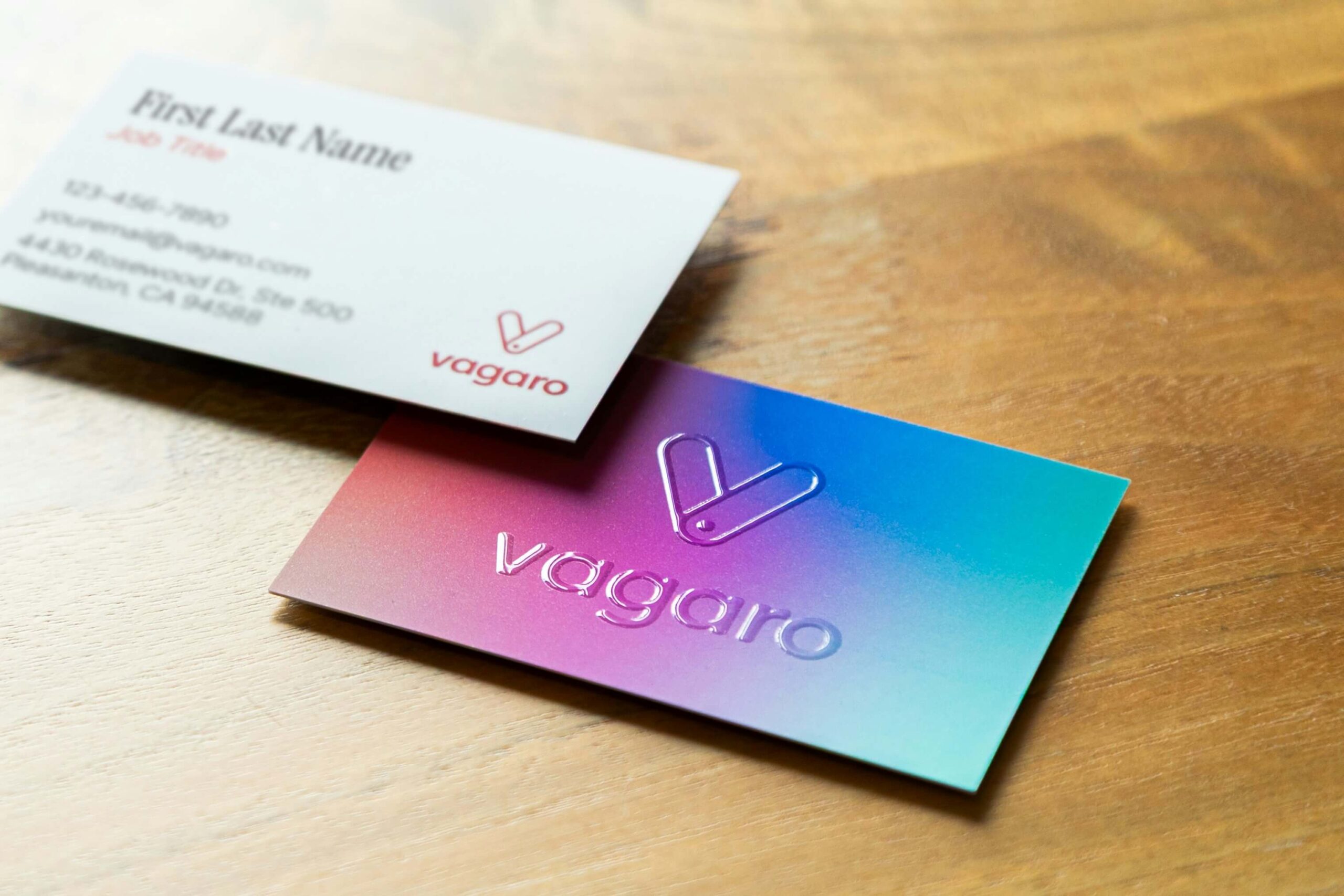
Business cards provide an accessible place to apply this idea because customers often keep, carry, and revisit them. Professionals who want a refined finish can consider soft-touch velvet business cards as part of a consistent identity system. Keep the layout restrained enough for the surface to stand out, with readable type and adequate spacing.
Consistency should extend beyond print. Your website, social posts, packaging, and video content need the same visual character. Effective branding videos can reinforce that character through color, pacing, and composition before a customer encounters your physical materials.
Choosing Premium Textures for Impact
Start with the context in which someone will handle the item. A card exchanged at a busy conference needs to resist scuffs and fingerprints. A product insert may benefit from an uncoated surface that feels approachable and allows customers to write notes. Packaging needs a finish that survives shipping while preserving its intended appearance.
Request samples before approving a full print run. Hold each option for several seconds, view it in daylight, and test how easily it bends. Print a small proof if possible, since ink coverage can change how a surface looks and feels. Designers preparing business cards should also consider the steps involved in managing the design and ordering process to keep artwork, approvals and printing requirements organised.
Use premium texture selectively. Applying the most distinctive finish to a business card, presentation folder, or welcome package can create a memorable focal point without raising the cost of every printed item. The chosen stock should also keep small text crisp and maintain sufficient contrast.
Measuring Brand Recall Beyond Screens
Tactile branding deserves the same evaluation as a digital campaign. Create two versions of one printed piece, changing only the paper or finish. Distribute each version to comparable groups and track responses with separate QR codes, landing pages, or offer codes. This isolates texture as much as a practical field test allows.
Direct feedback can add useful context. Ask customers which version feels more trustworthy, premium, or approachable, then record the words they use without suggesting answers. Follow up several days later to see which material they remember. Retention matters because a beautiful piece that customers quickly discard has limited value.
The clearest test happens when physical and digital touchpoints work together. If customers recognize the same personality across a card, website, and video, the brand has created a first impression that lasts beyond the initial exchange.




Community manager at Visual Contenting. Jacqueline loves to talk about social media trends, new technology and how they help businesses accelerate their marketing efforts.