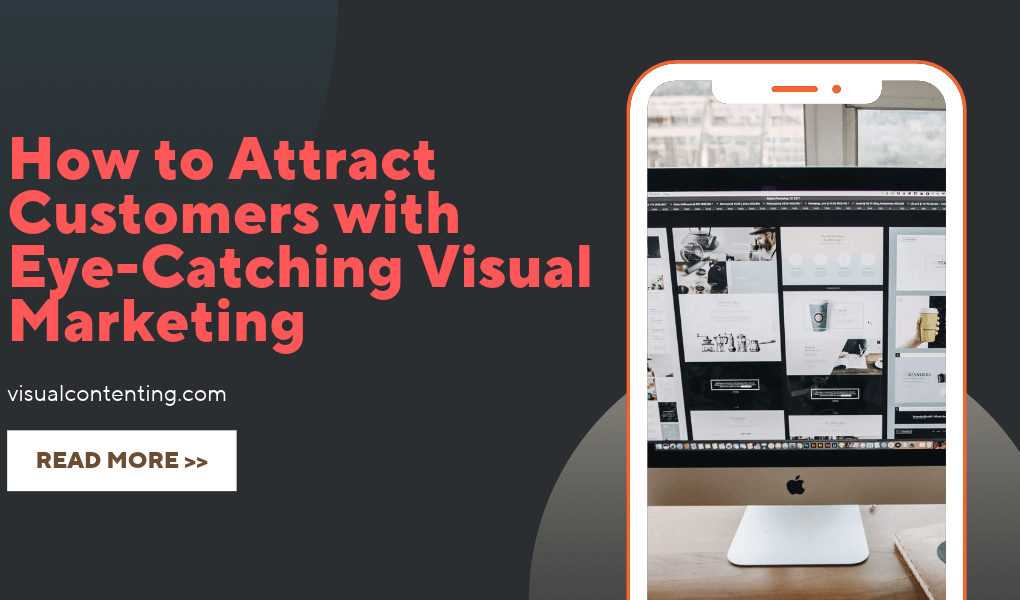

Image via Pexels
For local business owners, independent shop founders, and everyday creators trying to sell online, the hardest part of visual marketing often comes before the message even lands: general consumers scroll fast through crowded social media feeds. With so many posts competing at once, even great offers get skipped because the visuals don’t signal value quickly enough. That creates a frustrating tension, spending time on content that disappears in a thumb swipe while competitors seem to grab attention effortlessly. The good news is that customer attention capture isn’t luck; it comes from a clearer, more consistent visual presence that people recognize and trust.
Understanding the Building Blocks of Visual Marketing
Visual marketing strategy is simply a plan for what people see first and what that look says about you. It combines eye-catching design principles, a consistent brand identity, high-quality marketing imagery, and a few repeatable visual content types. The goal is not to post more, but to know what to fix first so your visuals signal value fast.
This matters because visual marketing works best when it communicates a lot in very little time. Consistency also pays off, since brand consistency on social media can increase revenue by 10 to 20%. When your visuals feel familiar and clear, customers hesitate less.
Think of your feed like a shop window. Strong contrast and clean layout get people to pause, your logo and colors help them recognize you, and sharp photos make your product feel real. Then you rotate simple formats like short videos, before and afters, or customer photos to keep attention. With the foundations set, AI editing helps you iterate faster without losing your signature look.
Re-Style Existing Images with AI—Without Losing Your Brand Look
Once you’ve nailed the core ingredients, design, branding, imagery, and content, you can start improving what you already have without rebuilding every asset from zero. AI-powered image tools make it easier to optimize visual content fast: you can enhance overall image quality, refine colors to better match your brand palette, improve composition, and turn “good enough” graphics into more polished, attention-grabbing visuals that feel campaign-ready. That consistency matters in a visually competitive marketplace, because cleaner, more cohesive visuals strengthen branding and help customers recognize you at a glance.
One of the most useful options is an AI image-to-image generator. By starting with a reference image and adding a prompt that describes the look you want, the tool can transform your existing visual into fresh styles or variations, while still preserving the core subject and brand vibe. For example, you might keep the same product photo but generate different backgrounds, moods, or color treatments that align with specific promotions, channels, or seasons. If you’re exploring this approach, using image to image tools can help you iterate quickly while staying visually on-brand.
Audit → Create → Publish → Learn
A reliable visual marketing workflow keeps you from guessing each time you need a post, ad, or product graphic. Instead of starting from scratch, you build a steady loop that improves clarity, consistency, and attention over time. Use this rhythm weekly or per campaign so your visuals stay fresh without drifting off-brand.
| Stage | Action | Goal |
| Audit | Review top assets and note gaps by channel | Clear priorities for what to fix or reuse |
| Plan | Choose one offer, audience, and visual hook | Focused direction for the next set of visuals |
| Create | Produce 3 to 5 variations from one core concept | Faster production with consistent style |
| Quality-check | Confirm brand colors, fonts, cropping, and legibility | Clean, recognizable visuals across placements |
| Publish | Schedule, post, and match formats to each platform | Smooth rollout with fewer last-minute edits |
| Review and adjust | Track saves, clicks, and comments; refine one element | Steady improvement through small, repeatable changes |
Each stage feeds the next: the audit informs the plan, the plan speeds creation, and the quality-check protects consistency. Publishing gives you real-world feedback, and the review step turns that feedback into your next audit.
Your Eye-Catching Visual Marketing Checklist
This quick checklist turns your workflow into simple, repeatable moves you can finish in a few focused sessions. Use it to tighten brand consistency, boost clarity, and make your visuals easier to notice and act on.
✔ Define one offer and one audience for each visual
✔ Select one bold visual hook to lead the design
✔ Build three variations from the same core layout
✔ Confirm fonts, colors, and logo placement match your brand
✔ Improve image sharpness, lighting, and contrast before posting
✔ Format sizes for each platform to prevent awkward cropping
✔ Track saves, clicks, and comments to spot what resonates
Check these off weekly, and your visuals will start working harder for you.
Build Long-Term Growth with Consistent, Strategic Visual Marketing
It’s easy for visuals to feel like a rush job, posted fast, redesigned often, and never quite building recognition. The way forward is strategic visual marketing built on an integrated design approach, so every piece supports the same story through consistent visual messaging. Over time, those customer attraction techniques start working together, making the brand easier to spot, trust, and remember in every channel. Consistency turns good design into a brand customers recognize and choose.
Related Posts



Works at gigmine.co, Lucy loves to write about ecommerce businesses for anyone who wants to test the entrepreneurial waters or set up a potential passive income stream. In her articles, she will offer tips for ecommerce entrepreneurs or wannabe entrepreneurs on how they can attract first-time customers and turn them into loyal shoppers.


