Image Credit: Pexels
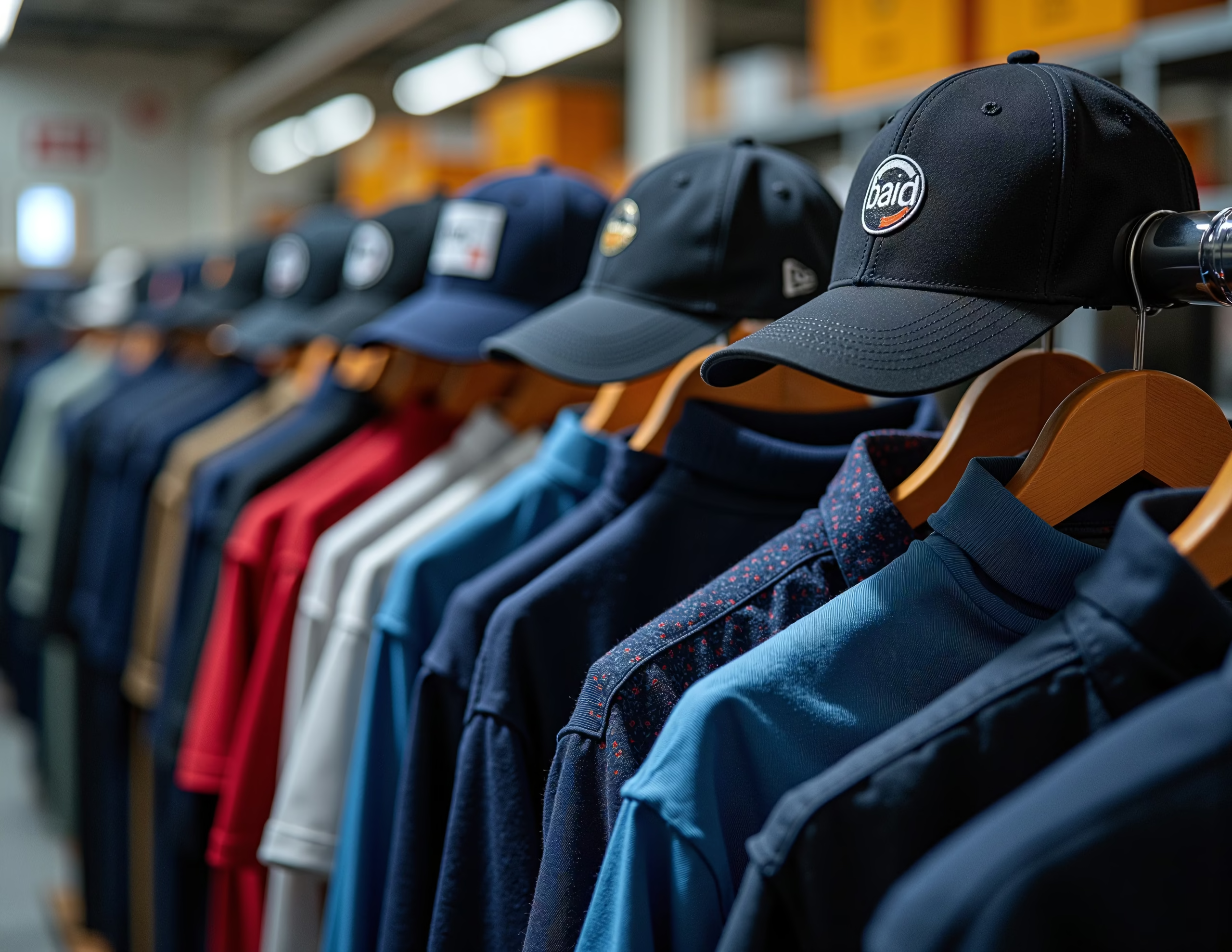
Custom merchandise turns a brand’s visual identity into something people can wear, share, and encounter away from a screen. That makes it a practical extension of visual marketing, which has evolved from static advertising art into a wider system of brand storytelling.
For marketers, the opportunity goes beyond printing a logo on a shirt. Effective merchandise carries the same colors, personality, and message as the rest of the brand while giving customers a useful product they may keep for years.
Wearable Visual Content Matters
A social post might remain visible for a few seconds, but a well-designed shirt can generate repeated exposure. Each time someone wears it at a conference, community event, or coffee shop, the design reaches another group of people.
Treat the shirt as a piece of visual content. Choose one clear message, use recognizable brand colors, and check that the design remains legible from several feet away. Small slogans, fine lines, and low-contrast color combinations often disappear when printed.
Branded company shirts can also turn employees into everyday brand ambassadors. Choose a comfortable fabric and a design people would genuinely want to wear, rather than treating the shirt as a walking ads.
Context matters too. A playful illustration may suit a creative conference, while a clean typographic design could work better for employees meeting customers. The strongest merchandise feels appealing even when the viewer doesn’t know the brand.
From Feed Graphics to Physical Goods
Existing digital assets can provide a useful starting point for merchandise. Review social graphics, campaign illustrations, and recurring visual themes to identify elements that already resonate with your audience. A popular illustrated mascot, for example, may translate more naturally to a shirt than a detailed website banner.
Simplify the selected artwork before sending it to production. Reduce tiny details, limit the number of colors, and test the composition against each available shirt color. The design should still make sense without a caption or surrounding campaign copy.
Keep the connection recognizable across channels. Someone who discovers the shirt at an event should see the same visual language when they visit your social profile or website later.
Speed Up the Design Workflow
Set a short creative brief before making design variations. Define the intended wearer, the occasion, the central message, and any required brand elements. These boundaries help your team avoid spending hours on concepts that won’t suit the campaign.
People without specialist design skills can use the Smizzy generator to turn a written idea into original artwork, explore different visual styles, and preview the result on a T-shirt. This offers a practical starting point for creating custom shirts for brands, events, groups, or personal projects without needing specialist design software.
Always review the final design at its expected print size. Check spelling, contrast, and alignment, then ask one person outside the project to explain what they notice first. Their answer reveals whether the intended message is clear. Check the final artwork and shirt preview carefully before placing an order.
Monetize Brand Affinity
Merchandise can become a paid product when customers already identify with a brand’s ideas, community, or creative style. Start with a limited run tied to a clear moment, such as an anniversary, product launch, or live event. A smaller release gives you real demand data without requiring a large inventory commitment.
Price the item after calculating production, packaging, platform fees, and fulfillment costs. Then compare that total with what your audience already pays for similar apparel. Protecting the quality of the finished product matters because a shirt that fades or fits poorly can weaken trust in the wider brand.
You can also offer early access to email subscribers. That rewards an engaged audience and provides a useful test of which sizes, colors, and designs attract the most interest.
Measuring Return on Branded Swag
Choose performance measures before distributing or selling anything. For a paid collection, track conversion rate, revenue per order, return rate, and profit after fulfillment. For event merchandise, use a dedicated landing page, campaign code, or QR code to connect physical distribution with website visits and sign-ups.
Reach also has value. The promotional products impressions research published by industry organizations can provide useful benchmarks, but your own customer behavior should guide future decisions. Ask recipients how often they wear the item and monitor tagged photos, direct traffic, and repeat purchases for several months.
Keep a simple campaign record containing the design, quantity, total cost, and measured results. When the next launch arrives, that record will show which visual idea earned another print run and which one belongs in the archive.
Related Posts

Community manager at Visual Contenting. Jacqueline loves to talk about social media trends, new technology and how they help businesses accelerate their marketing efforts.


