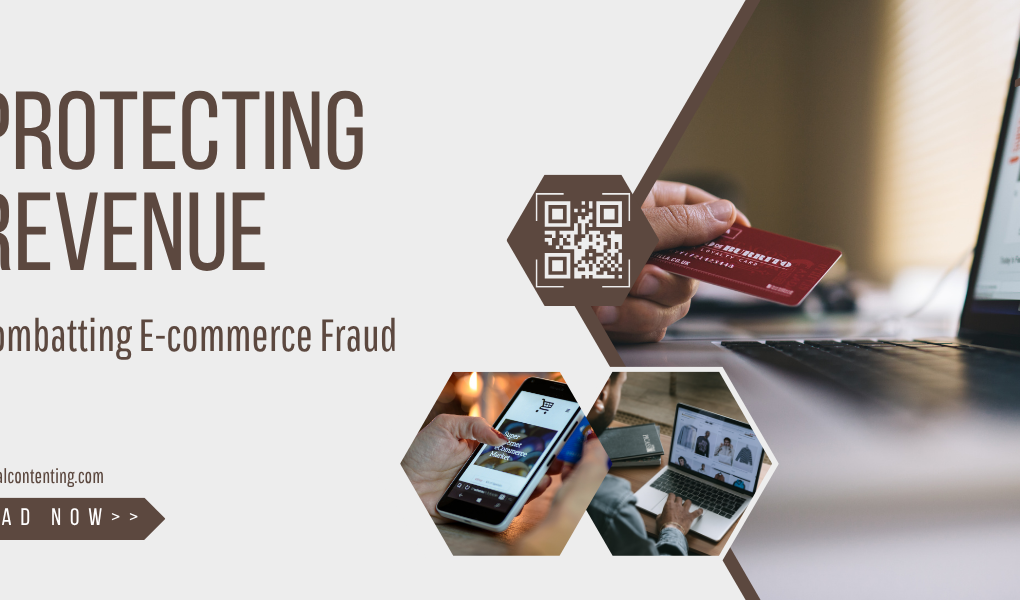

E-commerce fraud is an unfortunate but unavoidable part of doing business online. For merchants, the challenge isn't just stopping individual fraudulent transactions. It's about building a secure environment that protects your income, builds customer trust, and helps your business grow steadily. Taking a proactive approach to fraud management isn't just an option anymore; it's a key part of any successful digital strategy.
Understanding Modern Threats
Fraudsters constantly change their methods, so businesses need to know what threats they're up against. For example, phishing schemes trick customers into giving sensitive information on fake websites, which criminals then use to make unauthorized purchases. Another common problem is "friendly fraud," where a real customer buys something, then claims the transaction was fraudulent to get a refund. Account takeover fraud, where a criminal gets into a customer's account to make purchases, is also happening more often. Understanding these common types of digital fraud is the first step toward building a strong defense.
Impact on Customer Trust
The money lost from one fraudulent transaction is often just the beginning. When customers experience fraud or feel their data isn't safe, it erodes their trust in your brand. This damage to your reputation can cost far more than the initial loss. Bad reviews and negative word-of-mouth can scare away new customers, and existing ones might think twice about shopping with you again. Rebuilding that consumer trust in online businesses is a tough and expensive process. A secure shopping experience is a powerful way to keep customers, showing them you value their safety as much as their business.
Essential Security Measures
Every e-commerce store should put basic security measures in place. At a minimum, this means using Address Verification Service (AVS) to check that a billing address matches the one on file with the card issuer. It also means requiring the Card Verification Value (CVV) for all transactions. Making sure your platform follows the Payment Card Industry Data Security Standard (PCI DSS) is also essential, as it sets the basic rules for protecting cardholder data. You can also use fraud scoring systems that give each transaction a risk level based on things like IP location, order size, and shipping address. These systems automatically flag suspicious orders for someone to review manually, which is especially important if you run a high volume merchant account.
Leveraging Payment Gateways
Your payment gateway is one of your strongest allies in fighting fraud. Modern payment processors offer many built-in security features that go beyond simple checks. These systems can analyze thousands of data points in real-time to spot patterns that suggest fraud. As your business grows, the sheer number of transactions can make manual reviews impossible. These gateways let you customize fraud filters, set rules to block transactions, and get better insights into your transaction patterns.
Building a Resilient Strategy
A truly effective fraud prevention strategy isn't fixed; it's always changing. It needs a mix of technology, human oversight, and constant improvement. Regularly check your fraud filters and rules to adapt to new threats and reduce false positives (legitimate transactions incorrectly flagged as fraudulent). Train your customer service team to recognize the signs of a suspicious order or inquiry. Creating a feedback loop where your team can report unusual activity helps you quickly adjust your automated rules. This combination of automated detection and human expertise creates a strong defense that can evolve with your business and the changing threat landscape.
Ultimately, protecting your income from fraud means being watchful and proactive. Understanding the risks and putting a multi-layered security approach in place helps you safeguard your business and create a trustworthy environment where customers feel confident shopping.
Image Credit: Unsplash
Related Posts





Community manager at Visual Contenting. Jacqueline loves to talk about social media trends, new technology and how they help businesses accelerate their marketing efforts.