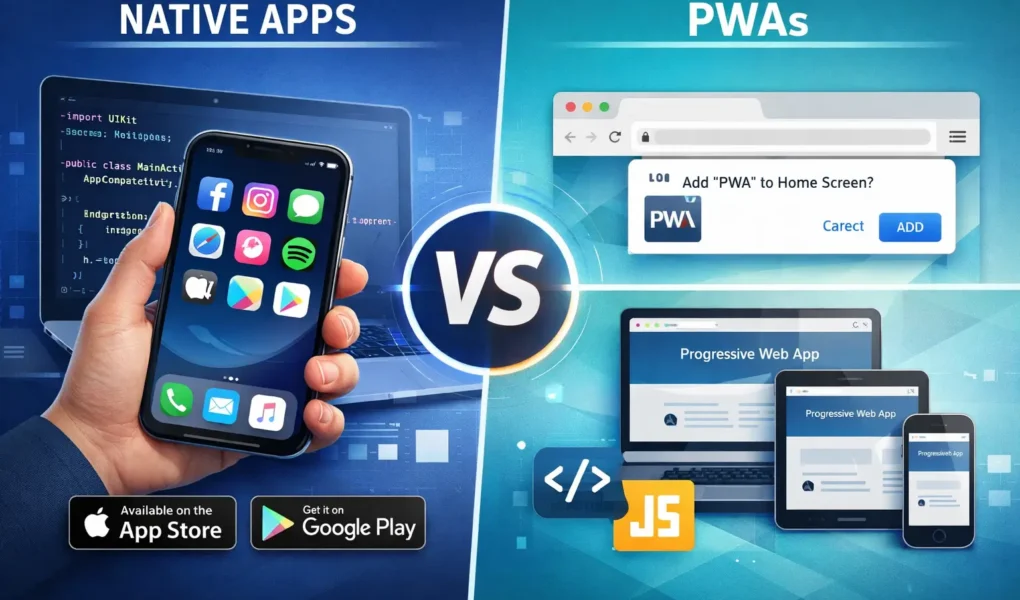
In today's hyper-digital landscape, a robust mobile presence is no longer a luxury, but a necessity for business survival and growth. As consumers increasingly rely on their smartphones for everything from shopping to banking, companies are faced with a critical decision: should they invest in a Native App or a Progressive Web App (PWA)? This isn't just a technical choice; it's a strategic business decision that impacts everything from development costs and user experience to reach and ongoing maintenance. Understanding the nuances of each is key to selecting the right path for your specific business needs.
The Rise of Mobile: Why App Strategy Matters
Before diving into the specifics of PWAs and native apps, it's crucial to acknowledge the sheer dominance of mobile. Studies consistently show that a significant portion of internet traffic originates from mobile devices, and users spend a substantial amount of their digital time within apps. For businesses, this means that ignoring mobile optimization is akin to ignoring a vast segment of their potential customer base.
An effective app strategy isn't just about having an app; it's about having the right app. The "best" choice isn't universal; it depends heavily on your target audience, budget, desired functionalities, and long-term goals.
Understanding Native Apps: Power, Performance, and Precision
Native apps are what most people envision when they think of a mobile application. They are developed specifically for a particular operating system (OS), such as iOS for Apple devices or Android for Google devices, using platform-specific programming languages (e.g., Swift/Objective-C for iOS, Java/Kotlin for Android).
Key Advantages of Native Apps:
-
Superior Performance and Speed: Because they are built for a specific OS, native apps leverage the device's hardware and software capabilities to their fullest, offering unparalleled speed, responsiveness, and a smooth user experience.
-
Full Device Feature Access: Native apps can fully integrate with all of a device's features, including GPS, camera, microphone, contacts, calendar, and push notifications, allowing for rich, immersive functionalities.
-
Offline Functionality: Many native apps can function fully or partially without an internet connection, providing a seamless experience in areas with poor connectivity.
-
Robust Security: Native apps often offer enhanced security features due to their direct interaction with the device's OS.
-
App Store Visibility: Being listed in the Apple App Store and Google Play Store provides a significant channel for discovery and builds trust with users.
Potential Drawbacks of Native Apps:
-
Higher Development Costs: Building and maintaining separate versions for iOS and Android can be significantly more expensive and time-consuming.
-
Platform-Specific Development: Requires specialized developers for each platform, increasing team complexity.
-
App Store Approval Process: Submitting and getting approved by app stores can be a lengthy and sometimes challenging process, with strict guidelines.
-
Update Management: Users must manually update native apps, which can lead to fragmentation if some users are on older versions.
-
Download Barrier: Users must download and install the app, which can be a hurdle for casual users.
Exploring Progressive Web Apps (PWAs): The Best of Both Worlds?
Progressive Web Apps are a relatively newer technology that aims to bridge the gap between traditional websites and native mobile apps. They are essentially websites that are built with modern web technologies, enabling them to offer an app-like experience. PWAs are "progressive" because they work for every user, regardless of browser choice, and are "web apps" because they are still accessed via a web browser.
Key Advantages of Progressive Web Apps:
-
Cost-Effective Development: Developed using standard web technologies (HTML, CSS, JavaScript), allowing for a single codebase that works across multiple platforms and devices, significantly reducing development costs and time. If you're looking to minimize expenditure while maximizing reach, choosing a reputable web development company that specializes in modern web solutions can be a game-changer.
-
Instant Access, No Installation: Users can access a PWA directly from a URL, without needing to download or install anything from an app store. This removes a major friction point.
-
Discoverability (SEO Friendly): Since PWAs are essentially websites, they are discoverable by search engines, allowing for better SEO and organic traffic acquisition.
-
Offline Capabilities: Thanks to Service Workers, PWAs can cache resources, enabling them to function offline or in low-connectivity environments.
-
App-Like Experience: PWAs can be added to the home screen of a device, launch full-screen, send push notifications, and offer fast, responsive interfaces, mimicking a native app experience.
-
Automatic Updates: Since they are web-based, PWAs update automatically, ensuring users always have the latest version.
-
Broader Reach: Accessible on any device with a compatible web browser, regardless of OS.
Potential Drawbacks of Progressive Web Apps:
-
Limited Device Feature Access: While constantly improving, PWAs still have some limitations in accessing all native device features compared to native apps (e.g., advanced camera controls, certain sensors).
-
Less Discoverability in App Stores: While some app stores are starting to list PWAs, they don't have the same inherent app store visibility as native apps.
-
Browser Dependency: Performance and feature availability can sometimes depend on the specific browser being used.
-
Potential for Lower Performance on Older Devices: While generally fast, PWAs might not always match the absolute peak performance of highly optimized native apps, especially on older devices.
PWA vs. Native App: Making the Right Choice for Your Business
The decision between a PWA and a native app isn't straightforward. Here’s a breakdown to help you evaluate which option aligns best with your business objectives:
| Feature/Consideration | Native App | Progressive Web App (PWA) |
| Development Cost & Time | Higher, platform-specific | Lower, single codebase for all platforms |
| User Acquisition | App Stores, word-of-mouth | Search Engines (SEO), URL sharing |
| Device Feature Access | Full, comprehensive | Good, but with some limitations compared to native |
| Offline Functionality | Excellent | Good |
| Performance | Superior, highly optimized | Excellent, but can be browser-dependent |
| Discoverability | App Store presence | Web discoverability (SEO), growing app store presence |
| Updates | Manual user updates | Automatic |
| User Experience | Deeply integrated, highly polished | App-like, fast, responsive |
| Security | Robust, OS-level | Relies on browser security, HTTPS |
When to Choose a Native App:
-
Complex Functionality: Your app requires extensive use of device-specific features (e.g., advanced augmented reality, complex gaming, highly integrated hardware control).
-
High Performance Demands: Your primary goal is to deliver the absolute fastest and most fluid user experience possible.
-
Brand Identity and Exclusivity: You want a strong, unique brand presence within app stores and a highly polished, platform-specific UI/UX.
-
Targeted Audience: Your audience is accustomed to downloading apps and is likely to engage with an app store presence.
When to Choose a Progressive Web App (PWA):
-
Cost-Effectiveness: You have a limited budget and want to reach a broad audience quickly and efficiently.
-
Broad Reach and Discoverability: Your priority is to be easily found via search engines and accessible across all devices and browsers without download barriers.
-
Faster Time-to-Market: You need to launch a mobile solution quickly to test an idea or capture market share.
-
E-commerce and Content Delivery: Your primary goal is to provide a fast, reliable, and engaging experience for shopping, reading, or consuming content.
-
Reduced Friction: You want to eliminate the app store download barrier and provide instant access to your service.
The Hybrid Approach: Combining Strengths
It's also worth noting that some businesses adopt a hybrid approach. This might involve launching a PWA first to gain traction and test the market, then investing in a native app for specific features or a segment of the audience. Alternatively, businesses might maintain a PWA for their main user base while offering a native app with premium features for dedicated users. If you're considering this path, exploring dedicated Progressive Web App development services can help you strategically implement a solution that offers the best of both worlds.
Conclusion
The choice between a PWA and a native app is a significant one, with direct implications for your business's mobile strategy, budget, and user engagement. There's no single "best" solution; the ideal choice is the one that best serves your specific business goals, target audience, and available resources. By carefully evaluating the advantages and disadvantages of each, you can make an informed decision that drives mobile growth, enhances user experience, and ultimately contributes to your long-term success.
Related Posts





Akshay Tyagi is a passionate content writer interested in technology and software development. He enjoys exploring the latest trends and innovations in the industry. At Netclubbed, a software development agency, Akshay contributes to creating engaging and informative content that helps businesses understand the value of custom software solutions.