Nothing beats real voices in today's digital marketing environment. User-generated content is effective because people trust people, and in 2025, approximately 92 percent of consumers trust UGC more than traditional advertising. Almost 79 percent also claim their purchase decisions are driven more by user-generated content. That's not just hype, that's real data.
If you're seeking the best digital marketing course, comprehending UGC is not an elective lesson, but a core principle. Because what this really means is: the more authentic the content, the more trust and influence. When a customer shares a photo, review or video that shares their experience, it is a far deeper connection than any scripted approach. Brands that recognize they are in the business of real customer stories, are not just creating engagement. They are creating loyalty.
Why UGC is the Winner: Trust through Authenticity
User-generated content is trusted because of social proof. In 2025, 78 % of Millennials and about 70 % of Gen Z consumers say they count on UGC to help them make a purchasing decision. In 2025, 78 % of Millennials and about 70 % of Gen Z consumers say they count on UGC to help them make a purchasing decision. Share on XPeer experience whether it's posts, ratings or reviews carries more weight than branded messaging because people see themselves in the experience of other users. UGC creates about 28 % more trust than traditional marketing content. UGC creates about 28 % more trust than traditional marketing content. Share on X
Lo-fi, everyday visuals hit differently. Consumers are nearly 10 times more likely to accept UGC over influencer‑generated or polished content. Studies report about 60 % of users say UGC feels the most authentic; showing real situations in normal light—not studio shots—resonates more.
It costs far less and scales fast. Brands that surface customer stories tap into free content, reducing creation expenses by 50 % or more.Brands that surface customer stories tap into free content, reducing creation expenses by 50 % or more. Share on X Unlike traditional ads, you don’t need expensive production to keep stories flowing.
And it opens two‑way engagement. Consumers aren't just spectators—they become participants. When a brand transforms UGC into marketing, consumers feel they are part of the story, and involved in the brand. That generates new loyalty, community engagement and repeat action.
What that really means: UGC is not just an additional bonus—it is now a strategic asset. UGC brings unique trust, high engagement, and scalable content by real customers, not roles.
Source: https://catarinamello.com/10-statistics-you-need-to-know-about-the-ugc-industry-in-2025/
Trends That Reinforce Authentic UGC in 2025
Lo-fi content is the new standard. Users prefer raw video and behind‑the‑scenes photos captured on a phone in natural light. These formats grab attention and boost conversion—with lo-fi clips delivering over 50 % higher click-through rates and significantly stronger trust signals than polished ads. Viewers spend more time watching and are more likely to act afterward.
Employees and founders are stepping into the spotlight. Instead of staged campaigns, brands now share workplace moments, product creation stories, or founder reflections. Luxury and lifestyle labels feature artisans talking about their craft. Authentic real-life glimpses of the brand provide a more human touch, and are relatable to audiences, especially younger audiences.
Co-creation is evolving co-creation is here. Platforms like Xiaohongshu allow customers to influence product design, product messaging, and packaging. Bobbi Brown had a spike in traffic and sales, as did Givenchy, after launching products that were launched based on community input. This collaborative model turns consumers into active partners, not just buyers.
These trends reaffirm one thing: modern UGC isn’t just about simplicity—it’s strategic storytelling, trust building, and community participation working together.
Brand Examples That Nail the Authenticity Advantage
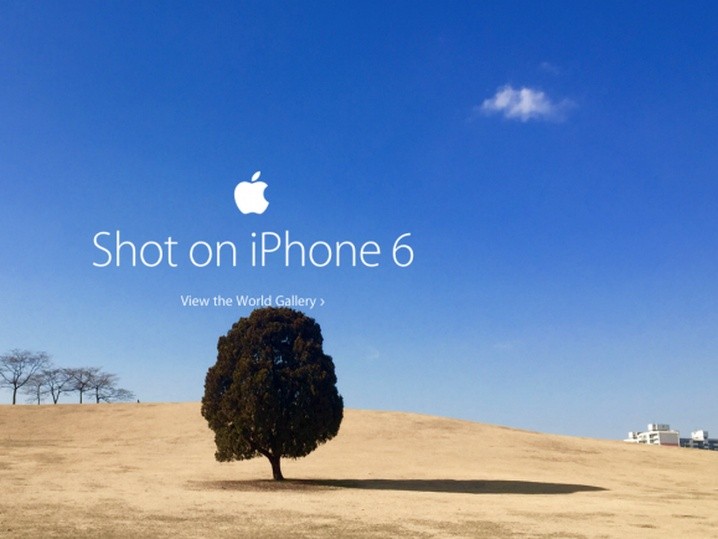
Apple – #ShotOniPhone
The #ShotOniPhone campaign is still going strong in 2025. Apple invites users around the world to share unedited photos and videos captured on their iPhones. The content isn’t just collected—it’s celebrated. Apple features real user submissions on billboards, packaging, TV spots, and online product pages. By letting its customers do the storytelling, Apple continues to prove how powerful its camera technology really is without ever saying a word itself.
GoPro – Creator Challenge and Awards
GoPro’s strategy has always centered around its community. Users submit their wildest outdoor adventures—surfing, biking, skydiving, snowboarding—and the best ones get featured. What makes GoPro’s UGC stand out is the organic nature of it. Many clips that go viral aren’t made for a campaign. They’re raw moments captured because someone wanted to share something epic. GoPro then amplifies those moments across its ads, website, and product showcases. It’s not staged. That’s the whole point.
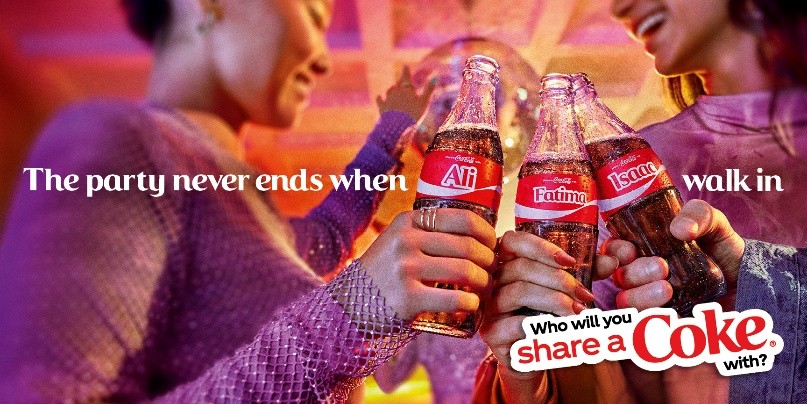
Coca-Cola – Share a Coke Reboot (2025)
The classic campaign came back with a modern twist. This time, Coca-Cola added AR filters, customizable virtual bottles, and selfie prompts. Users shared personalized moments with their name-branded Coke across social media, and Coca-Cola displayed those clips at events and live venues using digital social walls. It was nostalgia meeting tech in a way that felt personal and participatory.
Nike – Your Move
Nike’s Your Move campaign focuses on stories from everyday athletes. No models. No professionals. Just people sharing fitness routines, mental health journeys, and body-positive wins. Their stories appear on Nike’s website, apps, and even community boards in local stores. The result? A campaign that feels inclusive and real, powered entirely by real people.
Airbnb – Travel Diaries and Host Stories
Instead of polished promotional videos, Airbnb leans on guests and hosts to tell their stories. These range from cozy family trips to once-in-a-lifetime cultural exchanges. These honest reflections drive trust and help future travelers feel confident booking unique stays across the world.
Quick Mentions
- Adidas built real-time social boards during Euro 2024.
- Glossier continued to let fans lead with challenges like #glossierinthewild and #Ultralip.
These brands show that the best stories aren’t created—they’re shared.
Challenges and How to Navigate Them
Quality control
User content varies—from pro-level shots to blurry phone snaps. Brands can set simple submission guidelines or a checklist to help users understand what kind of content fits. This lets teams curate content that aligns with brand values without over-editing. A clear review process helps maintain quality while keeping the creator’s voice intact.
Legal and licensing
When a person uploads a photo or video, they own that photo or video. Brands must receive explicit permission before reusing it in advertisements, on product pages, or anywhere. A simple consent form or terms of use at the time of submission can cover the rights to the work and keep both the brand and creator protected.
Balancing quantity and signal
There is concern of flooding feeds with unedited UGC, thus diluting the brand or message. Instead, pick less, but impactful posts that keep in line with the tone of the brand, where quality will trump quantity.
Authenticity vs staged content
There is nothing wrong with paying for or incentivizing UGC - just don't make it appear contrived. Transparency is key when money is involved. Sponsored posts as much as possible should come across as being honest and not polished advertisements from influencer marketers simulating normal users.
Conclusion
In today’s world, authenticity is not a nice-to-have, it is where trust starts. Real human voices from users, creators and sometimes even employees are more valuable to brands than any polished advertising ever would be. What this means is that when you're researching about a digital marketing course in Bengaluru, find one that will teach you to leverage the real human stories, as opposed to just the mechanics of a campaign. Understand the skills to create or curate user-generated content. Authenticity is not a trend; it is a strategy. When brands allow real experiences to share their stories, they use their most persuasive marketing tool.
Related Posts
![How to Build a Creative Marketing Strategy That Investors Will Actually Love]()
How to Build a Creative Marketing Strategy That Investors Will Actually Love
Marketing![Content Strategies for Brands Navigating the 2025 Inflation Landscape]()
Content Strategies for Brands Navigating the 2025 Inflation Landscape
Marketing![content marketing for recruitment pipeline]()
The Power of Content Marketing in Building a Strong Recruitment Pipeline
Content Marketing![Essential Tools and Technologies for Freelance Marketing Consultants]()
Essential Tools and Technologies for Freelance Marketing Consultants
Marketing





Nikita is a digital marketing professional at BIA. With a passion for emerging industry trends, she enjoys crafting strategies that resonate—and unwinds by diving into fiction novels during her downtime.