Buying things online today can feel pretty similar from one business to the next. You find the products you need, add them to your card, process payment, and a confirmation email lands in your inbox. A few days later, your product arrives, and you move on with your day.
This process has become increasingly efficient over the years, but the overall “brand experience” often isn’t too memorable. When every business has the same or similar level of service, it’s really hard to stand out.
Businesses that are able to keep their transactions memorable are the ones that know how to master the emotional bridge to consumers. Many times, this is where providing unexpected and valued surprises before, during, and after the transaction. These small gestures are often the deciding factor for customers when choosing which brands they want to stick with long-term.
Why Small Surprises Matter
- The Peak-End Rule - Psychologists have found that people judge an experience based on two specific points - the most memorable moment (the peak) and how it ended. The middle parts usually aren’t that memorable. A standard transaction is pretty much a flat line emotionally. But when you introduce a small, positive surprise - even a funny sticker or an unexpected discount - you help to create a "peak."
- Emotional Banking - Every interaction with a customer can be looked at as a deposit or withdrawal in an emotional bank account. When you do exactly what you said you would, the balance stays the same. When you mess up, you make a withdrawal. Small surprises and great customer experiences are like deposits. Building up this balance over time helps to create stronger relationships and contributes to more goodwill with your customers.
- Word-of-Mouth Marketing - Nobody calls their friend to say, "Guess what? I ordered a lamp, and it arrived on time." People do like to share stories about things that exceeded their expectations, however. When a brand does something unexpected, it gives the customer a story to tell to others. And often, word-of-mouth marketing is much more valuable than any ad budget can bring.
Small Gestures That Can Help to Improve Customer Loyalty
Personalized Communications
In marketing, the human touch is a rarely used but incredibly useful mechanism. For example, providing a handwritten thank-you note in a package helps to bring personality to a brand and lets customers know it’s not just a robot in a warehouse taking care of their order.
The key here is authenticity. Customers can spot a "handwritten font" printed on a glossy card from a mile away, and it can feel like you’re trying to confuse them. Instead, take the time to grab a pen and keep your notes simple. Even a quick "Thanks, Sarah! Hope you love the new running shoes!" can take a generic unboxing experience and turn it into a personal connection.
Birthday/Anniversary Check-Ins
Most businesses track customer data, but they only use it to send sales-related emails. But you can flip this script and use this data to give you a great opportunity to say “thanks,” instead of simply having your hand out looking for more business.
Instead of the standard birthday coupon, look at potential relationship milestones. Celebrate the one-year anniversary of their first purchase with a quick video message or a small account credit with no strings attached. It shows you value their loyalty over the long haul, not just when they’re making a purchase.
Post-Sale Follow-Up
About two weeks after a customer makes a purchase, consider sending a personal email from a real person's name asking, "Is everything working the way you hoped?"
Don't necessarily ask for a review - just offer help. You might consider linking to a troubleshooting guide or giving them a direct line to reply to a support representative. By reaching out before they even have a chance to bring up issues, you show that you care about their success, not just the sale.
Product Sample Upgrade
Cross-selling is a standard business practice, but it can often feel pushy when it’s not used in the right way. Turning a cross-sell into a surprise gift changes the whole dynamic. Instead of asking them to buy a new product or service, providing them with a free sample or trial can be really impactful.
This works on two levels. First, it triggers the reciprocity principle, which makes them feel like they want to return the favor. Second, it removes the risk. They might be hesitant to pay full price for a premium item they've never tried, but they'll happily test drive it for free.
Fixing Mistakes Proactively
Mistakes happen in your business, and there’s often no way around it. But how you handle those mistakes is what separates the pros from the amateurs. Most companies wait for a heated email before implementing certain fixes. Successful companies identify those issues themselves and proactively fix them before customers have a chance to complain.
For example, if you notice a package is stuck in transit or an inventory count was off, email the customer before they notice. Let them know the issues, why it happened, and how you’re going to “make it right.” This kind of transparency turns a potential disaster into an opportunity to show that you can still be reliable even during unexpected setbacks.
The Random "Coffee is on Us"
Random acts of kindness go a long way with customers. A good way to ensure your business regularly provides this experience is to set aside a budget for your support teams to use for customers at their discretion.
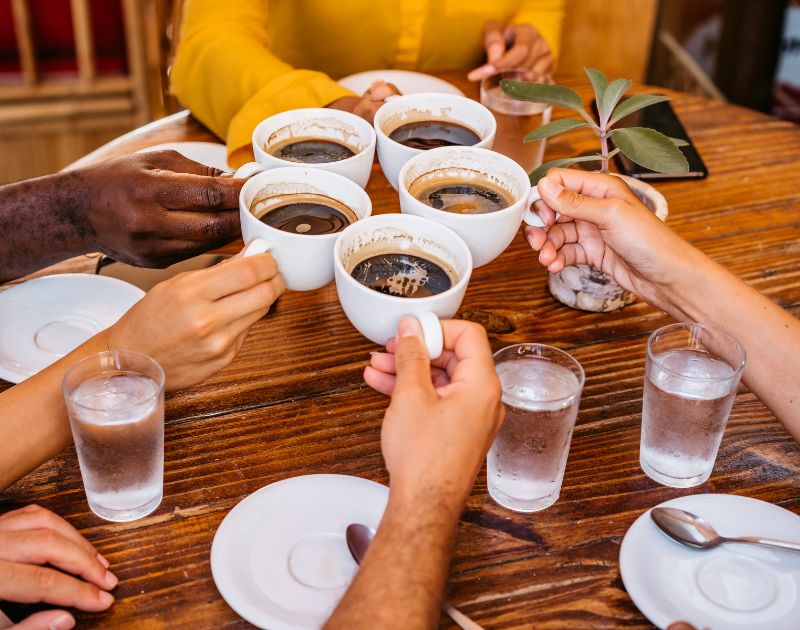
One proven way this can be beneficial is by allowing customers to say something like “coffee is on us today”. No sales pitch. No request for a review. Just a nice gesture to thank them for their patience. Because it’s random, providing a small digital gift card feels authentic. It reminds the customer that the company has “real” people working for it who understand how to be kind to their customers.
Remember That It’s the Little Things That Matter
At the end of the day, surprising your customers is an investment strategy. It requires a mental shift away from the immediacy of rewards to the value of the relationship they help to secure.
By following the strategies discussed, you’ll ensure your brand stands out from the competition and start building a more loyal customer base long-term.
Related Posts
![Progressive Web Apps (PWA) vs. Native Apps]()
Progressive Web Apps (PWA) vs. Native Apps: What Is Best for Your Business?
Technology![How to Build a Creative Marketing Strategy That Investors Will Actually Love]()
How to Build a Creative Marketing Strategy That Investors Will Actually Love
Marketing![How to Build a Brand That Resonates: Real Clarity, Real Connection]()
How to Build a Brand That Resonates: Real Clarity, Real Connection
Marketing![Image by Firmbee from Pixabay]()
AI-Powered Search Engine Tools: How They’re Impacting the SEO Landscape
Marketing




Cindy Mielke is Tango Card‘s Vice President, Strategic Partnerships, and a Certified Professional of Incentive Management. Her passion is helping teammates, clients, and partners achieve success. A strong advocate for the incentive industry, Cindy received the Karen Renk Award and the Lifetime Achievement Award from the Incentive Marketing Association (IMA) in 2019. She currently serves on the IMA board of directors and on the board of the Incentive and Engagement Solutions Providers (IESP).